
Intro
House extensions London projects require a structured architectural approach to ensure planning, design and construction are properly aligned.
Extending a house in London is not only about creating more space. It is about making the existing property work better, while ensuring the new extension is properly planned, buildable and aligned with the realities of the site.
At Studio Ninety-Three, we approach house extensions in London through a structured, architect-led process that integrates design, planning and technical coordination before construction begins.
This reduces risk, improves clarity and helps prevent the kinds of mistakes that often lead to delays, redesign and unnecessary cost during construction.
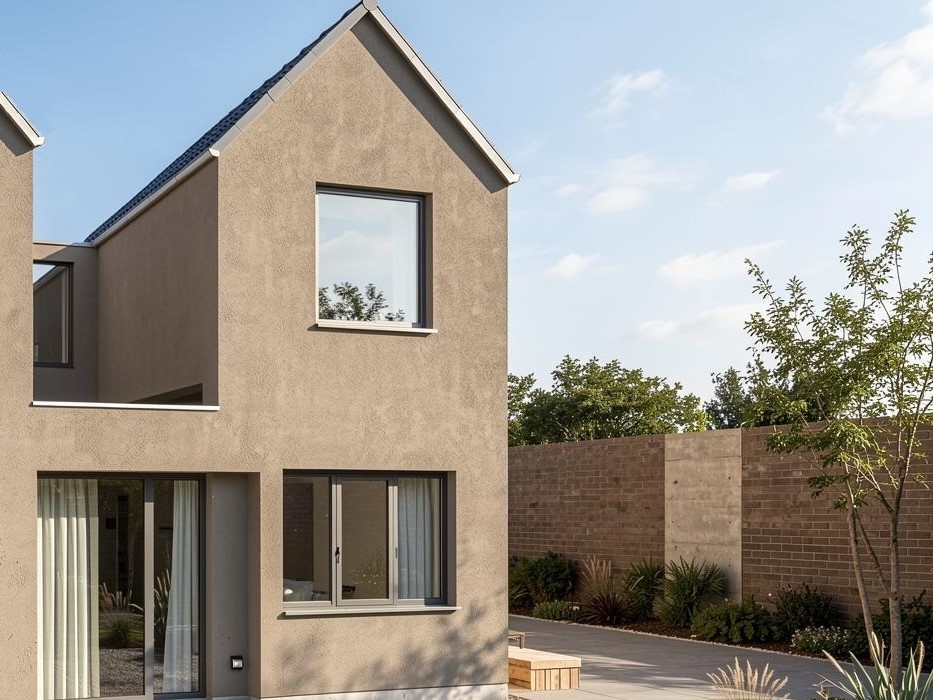
Why House Extensions in London Require a Different Level of Planning
House extensions in London often involve more complex conditions than similar projects in smaller towns. Existing buildings may have structural limitations, neighbouring relationships may be tighter and borough planning expectations can be more demanding.
This means that decisions about layout, massing, glazing, roof form and structural intervention cannot be treated separately. They need to be resolved together through a clear architectural strategy.
Without that level of coordination, extension projects can quickly run into planning objections, structural complications or unnecessary redesign during construction.
What Usually Goes Wrong with House Extension Projects in London
House extensions in London can take several different forms depending on the property, the available site conditions and the intended outcome.
Rear extensions to improve kitchen and living space
Side return extensions to unlock narrow and underused areas
Wrap-around extensions combining rear and side expansion
Ground-floor reconfiguration alongside extension works
Each type of extension needs to be considered in relation to planning constraints, structural strategy and how the existing house will function once the work is complete.
Types of House Extensions in London
House extensions in London can take several different forms depending on the property, the available site conditions and the intended outcome.
Rear extensions to improve kitchen and living space
Side return extensions to unlock narrow and underused areas
Wrap-around extensions combining rear and side expansion
Ground-floor reconfiguration alongside extension works
Each type of extension needs to be considered in relation to planning constraints, structural strategy and how the existing house will function once the work is complete.
Planning Constraints for House Extensions in London
Planning for house extensions in London requires a clear understanding of local borough expectations, permitted development limitations and the design impact of the proposal.
Some projects can proceed under permitted development, while others require a full planning application. In more sensitive locations, issues such as neighbouring amenity, visual impact and conservation context can become central to the approval process.
We assess each proposal against the relevant planning route at the earliest stage so that the extension strategy is realistic from the beginning.
House extensions London projects often depend on early planning decisions to avoid delays and approval issues.
For official planning guidance, you can also refer to the Planning Portal.
Structural Coordination and Buildability
House extensions in London frequently involve structural intervention, particularly where the project includes internal reconfiguration, wider openings or open-plan layouts.
These works often require the removal of load-bearing walls, steel beam design, new foundations and careful integration with the existing building fabric.
When structural decisions are left too late, projects become slower, more expensive and harder to control. Our approach ensures that structural coordination is resolved alongside architectural design rather than after it.
House extensions London often involve structural complexity that must be resolved before construction begins.
Our Approach to House Extensions in London
We approach house extensions in London through a structured process that aligns design, planning and technical delivery from the outset.
Initial consultation and feasibility review
Concept design and spatial strategy
Planning assessment and submission route
Technical drawings and structural coordination
Construction-ready information
This creates a clear framework for decision-making and helps homeowners move forward with greater confidence, knowing the project has been developed in the right order.
Our experience with house extensions London allows us to develop coordinated strategies that reduce risk and improve buildability.
Working Across London
We work with homeowners across London, including South London, on residential extension projects that require clear direction, technical coordination and realistic planning strategy.
Different boroughs present different planning conditions, but the same principle always applies: projects move more successfully when design, structure and approvals are considered together rather than in isolation.
Why Homeowners Stop Searching Once the Process Feels Clear
Most homeowners do not need more inspiration. They need clarity.
They need to know whether the extension is likely to be approved, whether the design is realistic, whether the structure can be resolved properly and whether the process can move forward without unnecessary mistakes.
A strong extension proposal is not just visually attractive. It is properly thought through, realistically scoped and technically coordinated before construction begins.
That is what gives clients confidence to move forward.
Frequently Asked Questions
Do I need planning permission for a house extension in London?
Some house extensions in London may fall under permitted development rights, while others require full planning permission depending on scale, design and borough-specific constraints.
Are house extensions in London more complex than in other areas?
In many cases, yes. Properties in London often involve tighter planning controls, more complex neighbouring conditions and greater structural coordination requirements.
Do you help with structural coordination as well as design?
Yes. We approach extension projects through an architect-led process that integrates planning, design and structural coordination from the outset.
Can you help with open-plan layouts as part of an extension?
Yes. Many house extension projects in London involve creating open-plan kitchen, dining and living spaces through both extension work and internal reconfiguration.
Planning a House Extension in London?
Before proceeding with a house extension in London, it is important to understand planning constraints, structural implications and realistic project scope.
An initial consultation can help define the right strategy, reduce avoidable risk and give you a clearer route forward before design begins.
If you are planning house extensions London projects, early architectural advice can help define the right strategy.
Speak directly with an architect to discuss your project, layout options and next steps with clarity.